The Western Cape Government Health and Wellness Department is strengthening continuity of care for children by ensuring that recovery continues beyond the hospital ward. Through its integrated network of specialised hospitals, intermediate care facilities such as St Joseph’s Children’s Hospital, and primary healthcare clinics, children receive ongoing care closer to home after discharge.
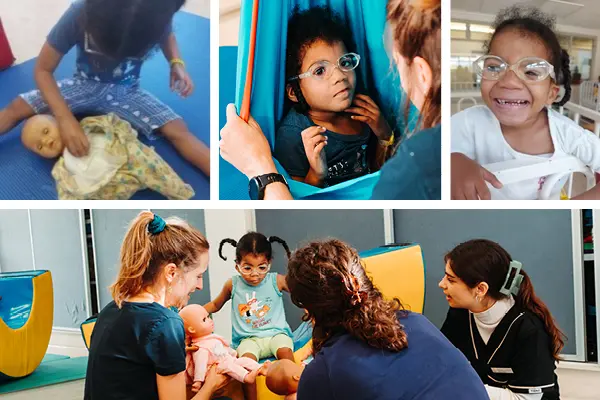
As part of the provincial healthcare platform, St Joseph’s Children’s Hospital, a government-funded non-profit intermediate paediatric care facility, provides specialised nursing, rehabilitation, and paediatric palliative care. Palliative care is specialised medical care for anyone living with a serious illness, focused entirely on providing relief from symptoms, pain, and emotional stress. The primary goal is to improve the quality of life for both the patient and their family.
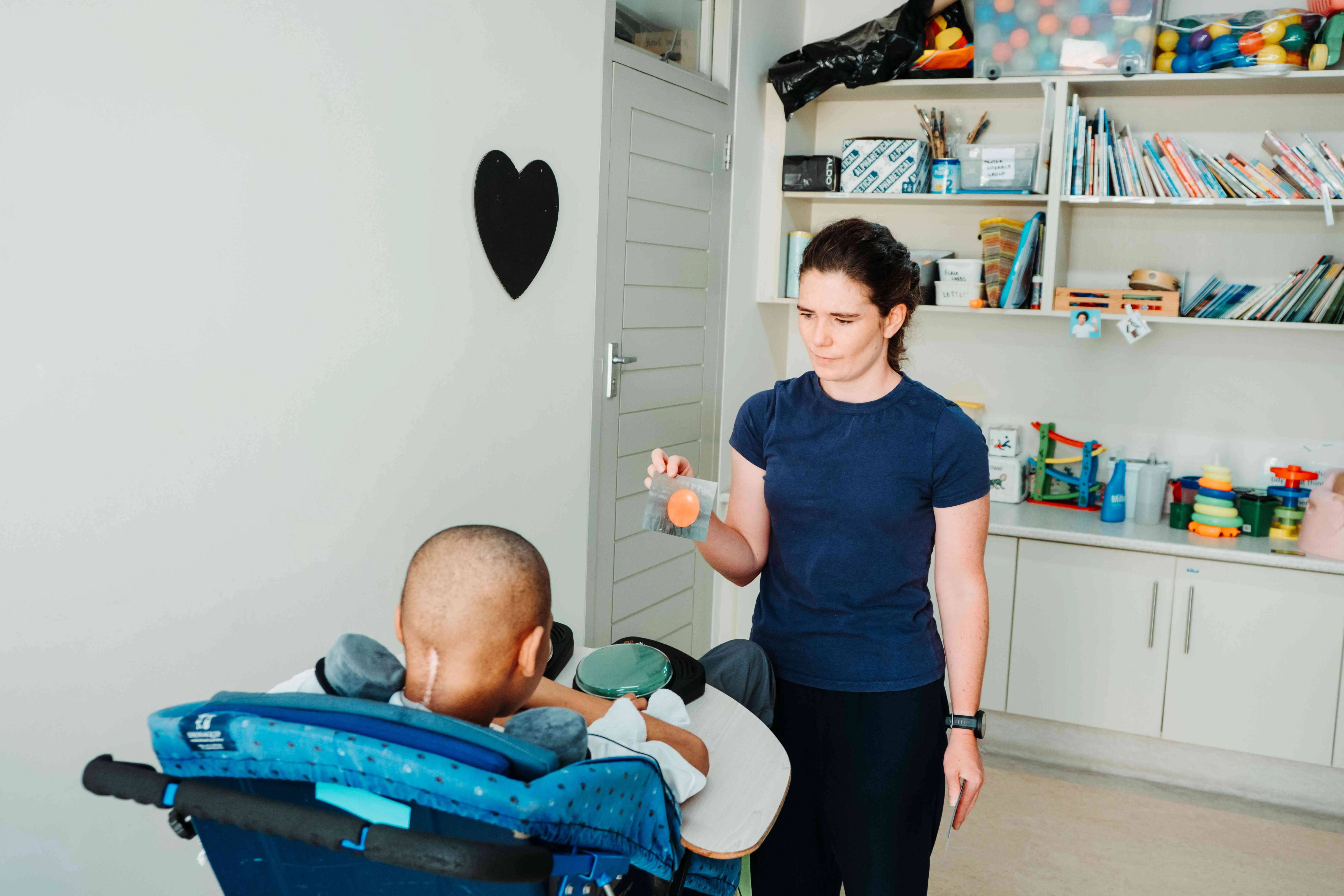
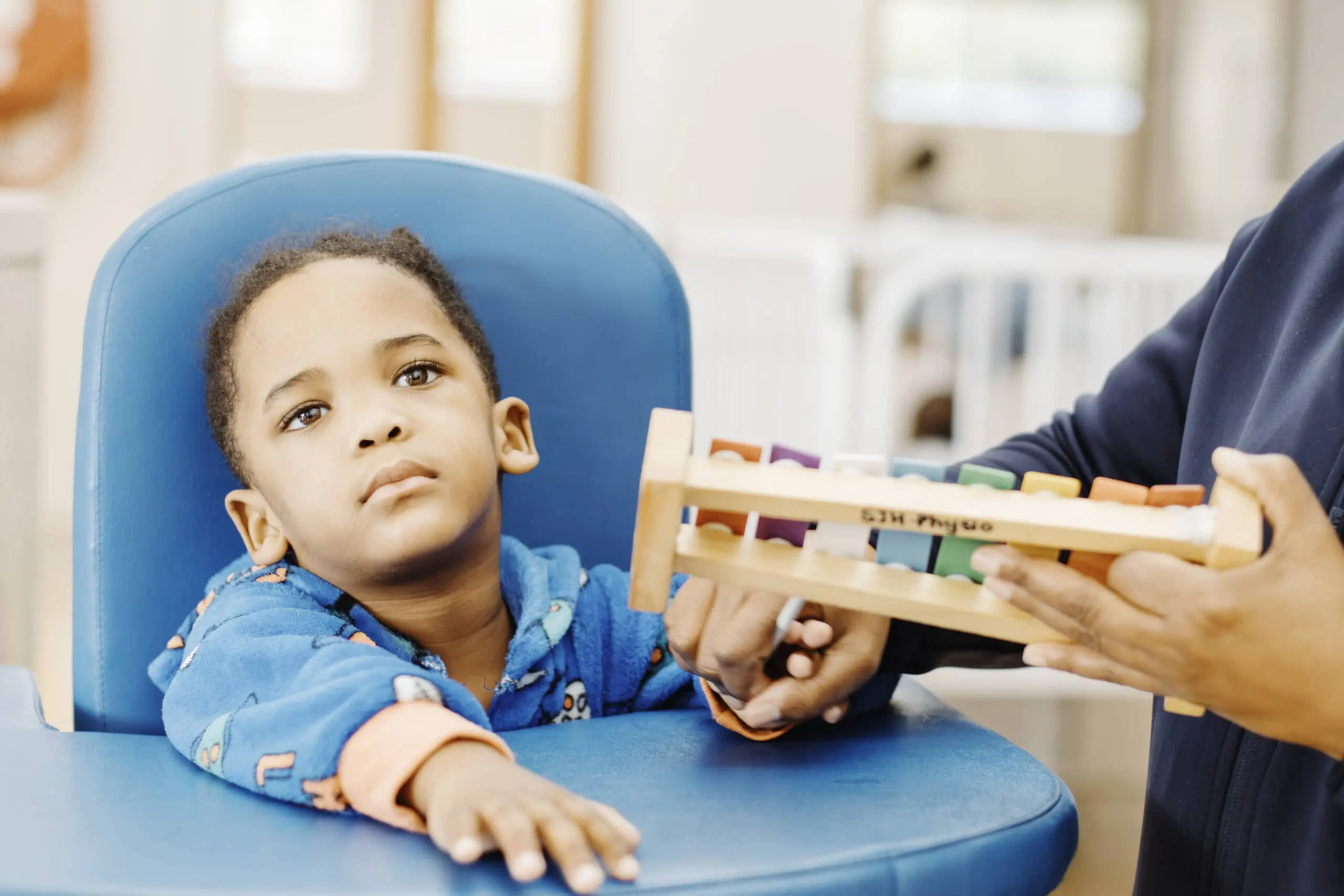
Depending on their clinical needs, children may spend several months in intermediate care, where multidisciplinary teams develop personalised care plans in partnership with families. Parents and caregivers are equipped with the knowledge, medication and equipment needed to confidently care for their children when they return home permanently or intermittently, ensuring a seamless transition from hospital to home-based care.
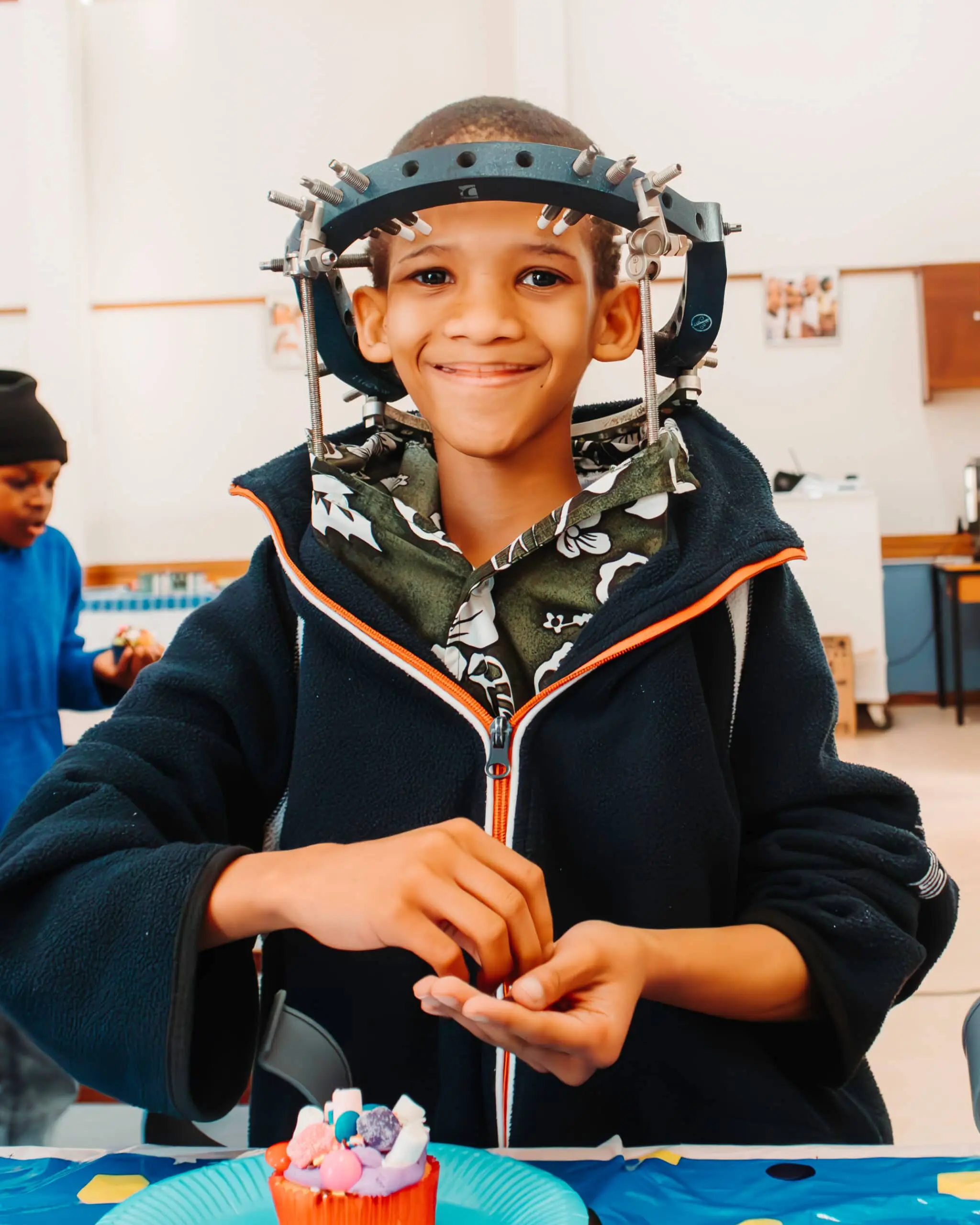
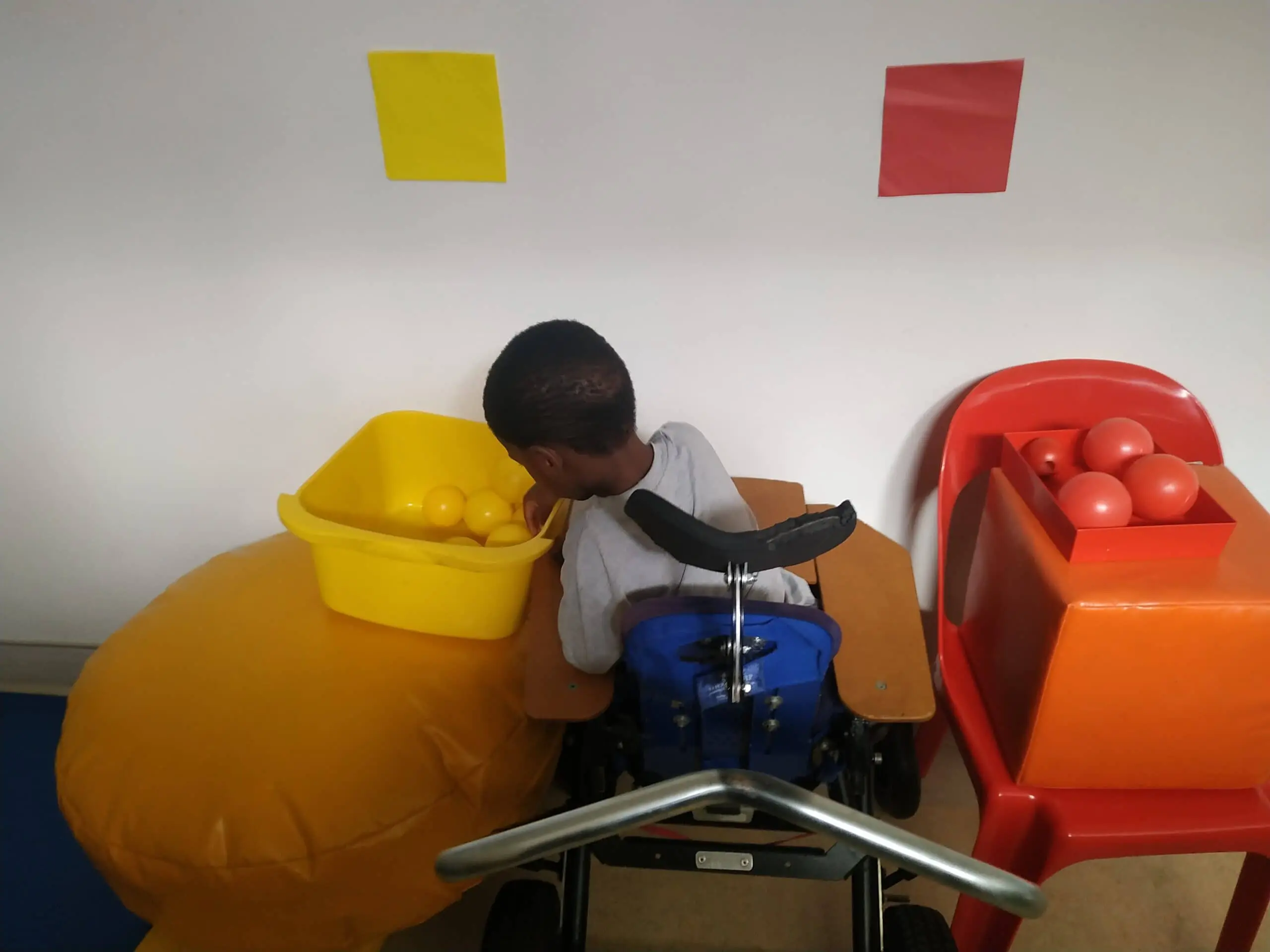
Levin Langenhoven, a 14-year-old who was diagnosed with ADHD (Attention-Deficit/Hyperactivity Disorder), began experiencing unusual lethargy, which his mother recognised as out of character. As his condition worsened, he became limp. Concerned by his symptoms, she made sure he received medical attention. Doctors later diagnosed Leven with a cancerous brain tumour, a diagnosis that has left him wheelchair bound.
Ms Christelle Cornelius, Chief Executive Officer of St Joseph’s Children’s Hospital, says the facility’s approach is centred on preparing both children and caregivers for life beyond the ward. “Our role is not only to provide specialised clinical care, but also to ensure that families feel supported, informed, and confident when a child returns home. Continuity of care gives children the best chance to keep recovering in a familiar environment, while knowing that the health system remains connected to their journey.”
While Levin and his family have had a challenging health journey, the family has praised St Joseph’s for the care provided and the “light” carried through the facility. His mother, Ms Elvina Langenhoven, described how the family received training that has given her the confidence to care for her son at home. “They teach you how to care for your child independently, how to position him, wash him, feed him, and even how to perform suctioning. We felt confident enough to know we could do it for him.”
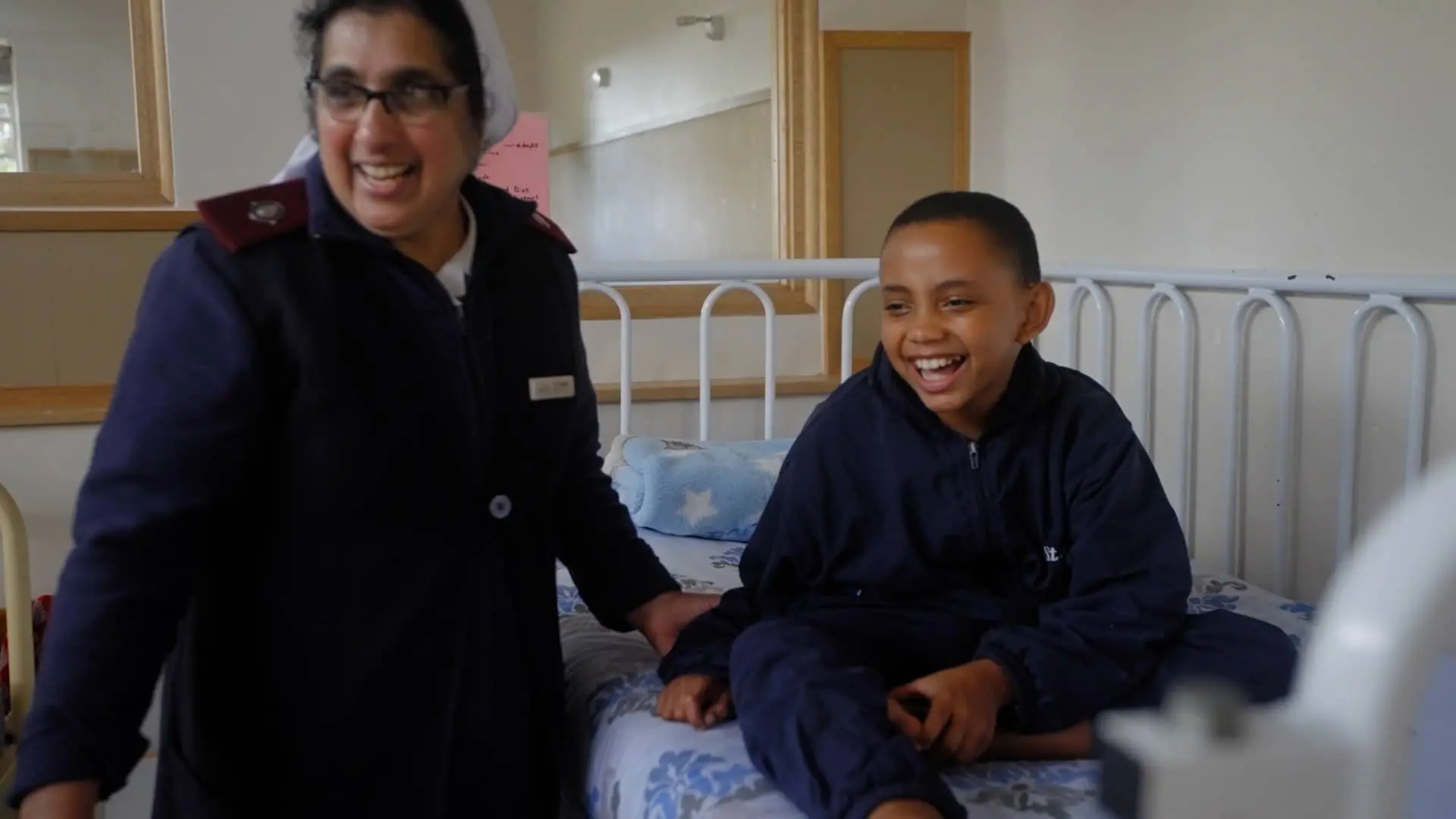
Levin Langenhoven is one of the children supported by the continuum of care. While Levin still receives medical care at St Joseph’s, he says his health has improved and that he is happy he gets to go home. While at home, he also started focusing on his future, with the hope of walking, running, and playing sport again.
The department has created this integrated approach to support families beyond discharge. Delaray Fourie, Deputy Director: Comprehensive Health Programmes in the Northern Tygerberg Substructure, believes healthcare is not defined by a single hospital admission.
“True recovery means ensuring children continue receiving the right care after they return home. By linking specialised services at St Joseph’s with ongoing care at local clinics and tertiary hospitals, we are making healthcare more accessible for families while supporting the long-term wellbeing of every child”
This seamless transition from specialised inpatient care to home-based care and further access to follow-up reflects the Western Cape Government’s commitment to delivering integrated healthcare at every stage of a patient’s healthcare journey, giving parents, caregivers, and patients confidence in both their recovery and the health system providing care. Leven Langenhoven believes miracles happen and says, “I am a miracle because I beat cancer.